Completed · Spring 2023
Solar panel dust sensor
An award-winning student team prototype exploring how dust accumulation on solar panels can inform maintenance decisions.
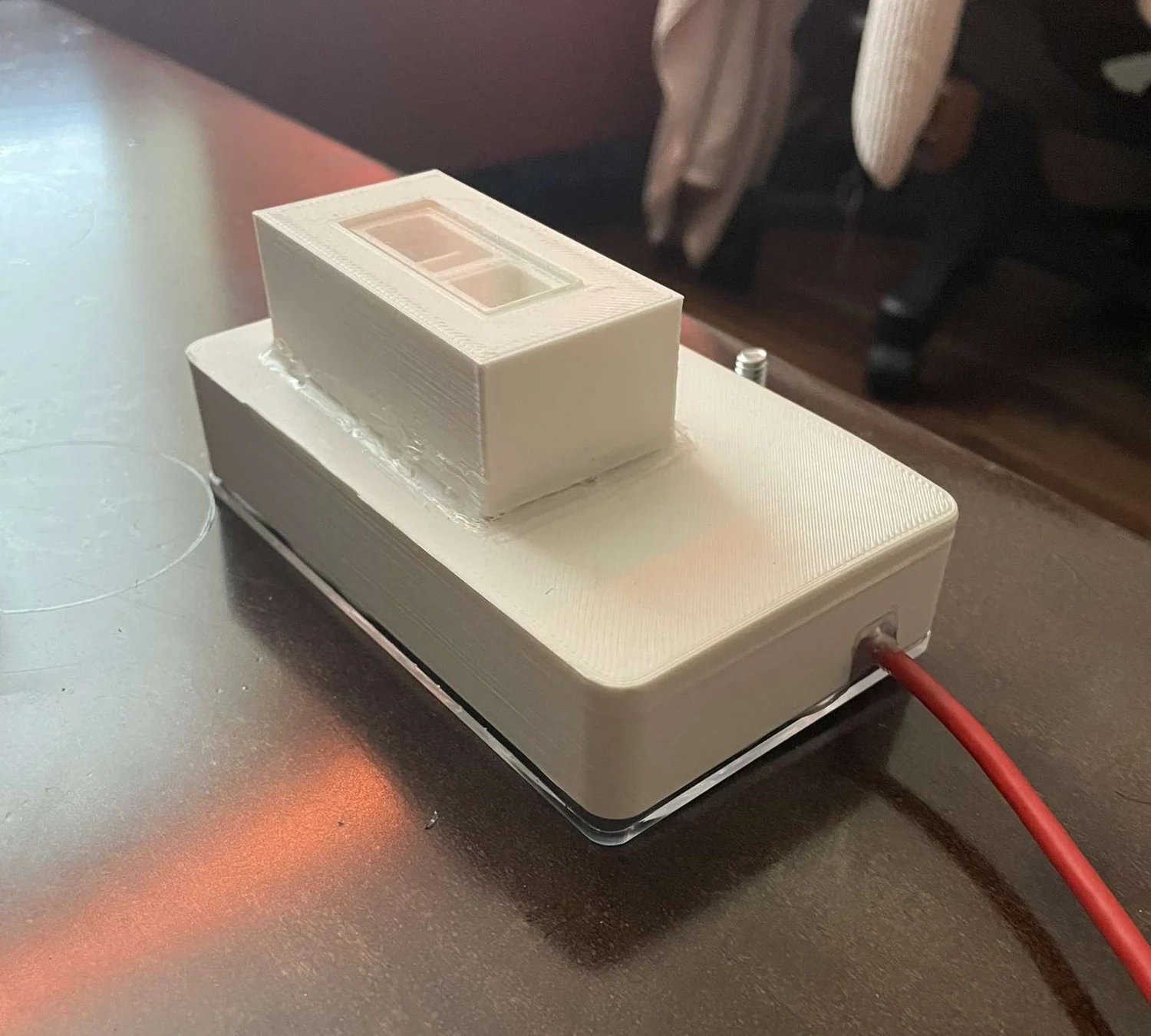
- My role
- Team manager
- Disciplines
- Electrical · Systems · Sustainability
- Tools
- MATLAB · Arduino · SolidWorks
Winner
Audience Choice Prize
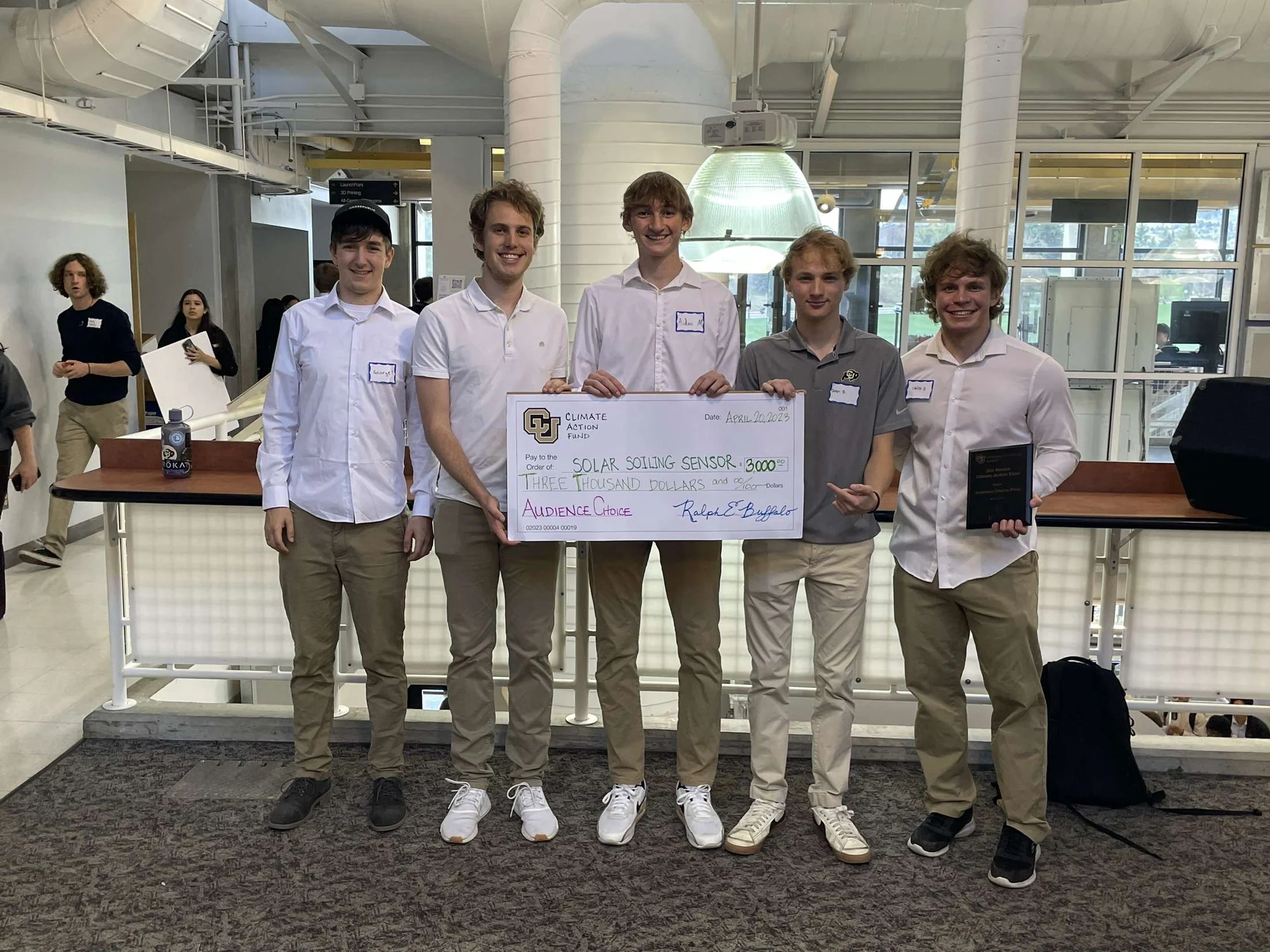
2nd Annual Climate Action Expo, April 20, 2023
$3,000
Team award
2nd Annual Climate Action Expo, April 20, 2023
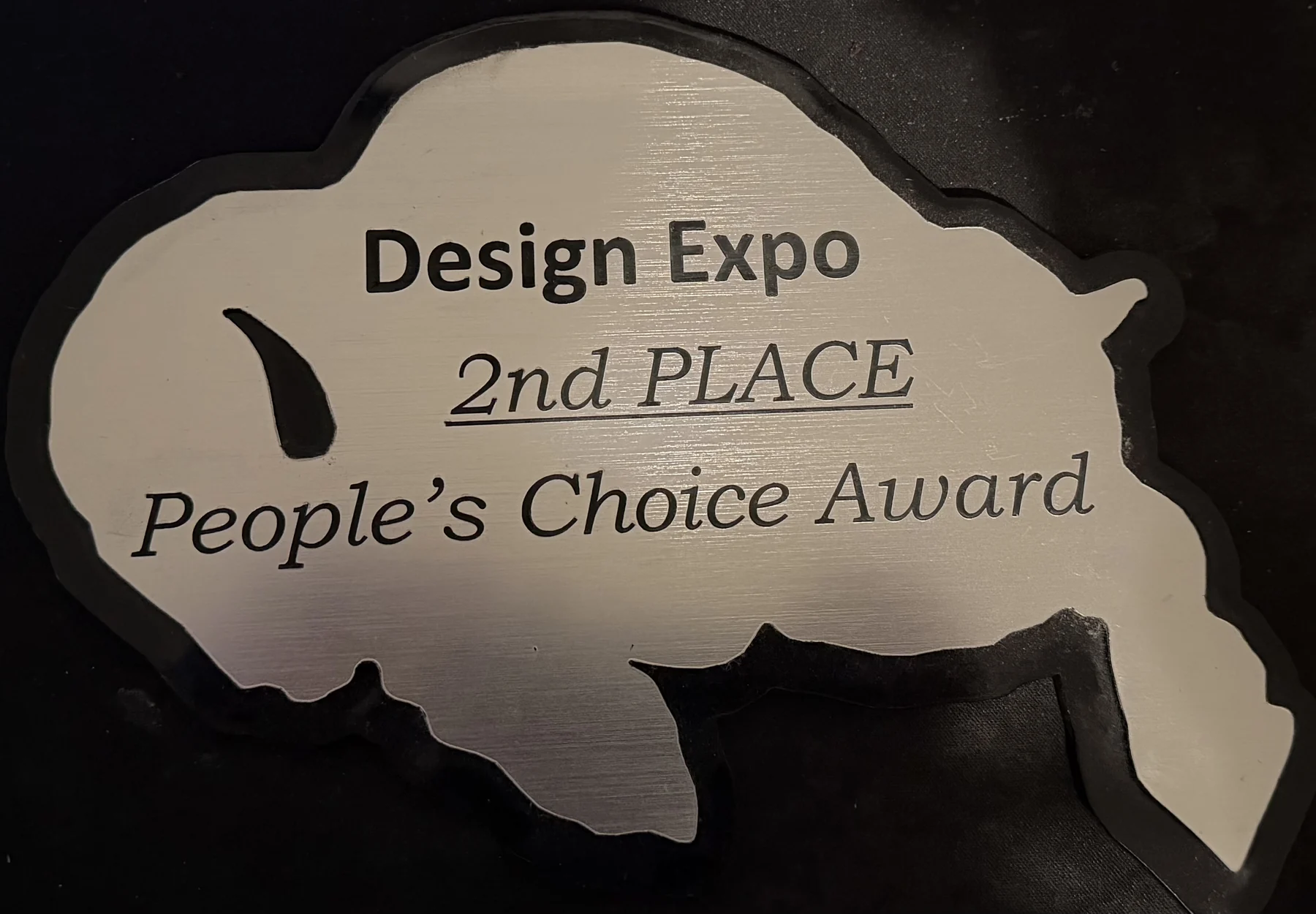
2nd place
ITLL Design Expo
People’s Choice Award
The problem
We started with the idea of cleaning solar panels. We soon realized that deciding when a panel needed cleaning was an engineering problem in its own right. Software estimates can miss unexpected local conditions, which made a physical measurement particularly interesting to us. We shifted toward a compact sensor intended to sit flush with a panel and experience similar dust accumulation.
My role
I served as team manager, coordinating design, electronics, analysis, prototyping and presentation. Our team used MATLAB, Arduino and SolidWorks to develop the prototype.
Developing the prototype
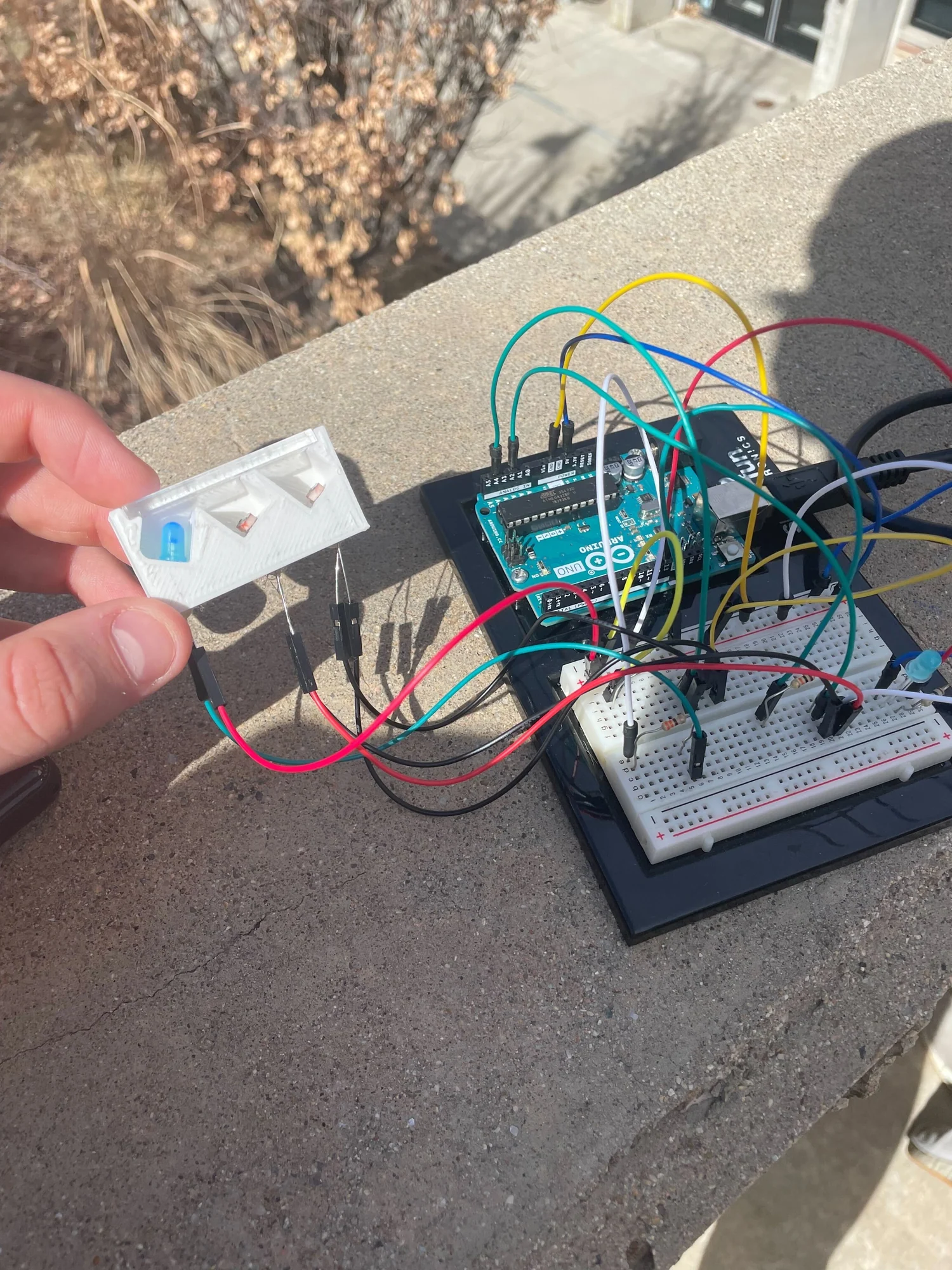
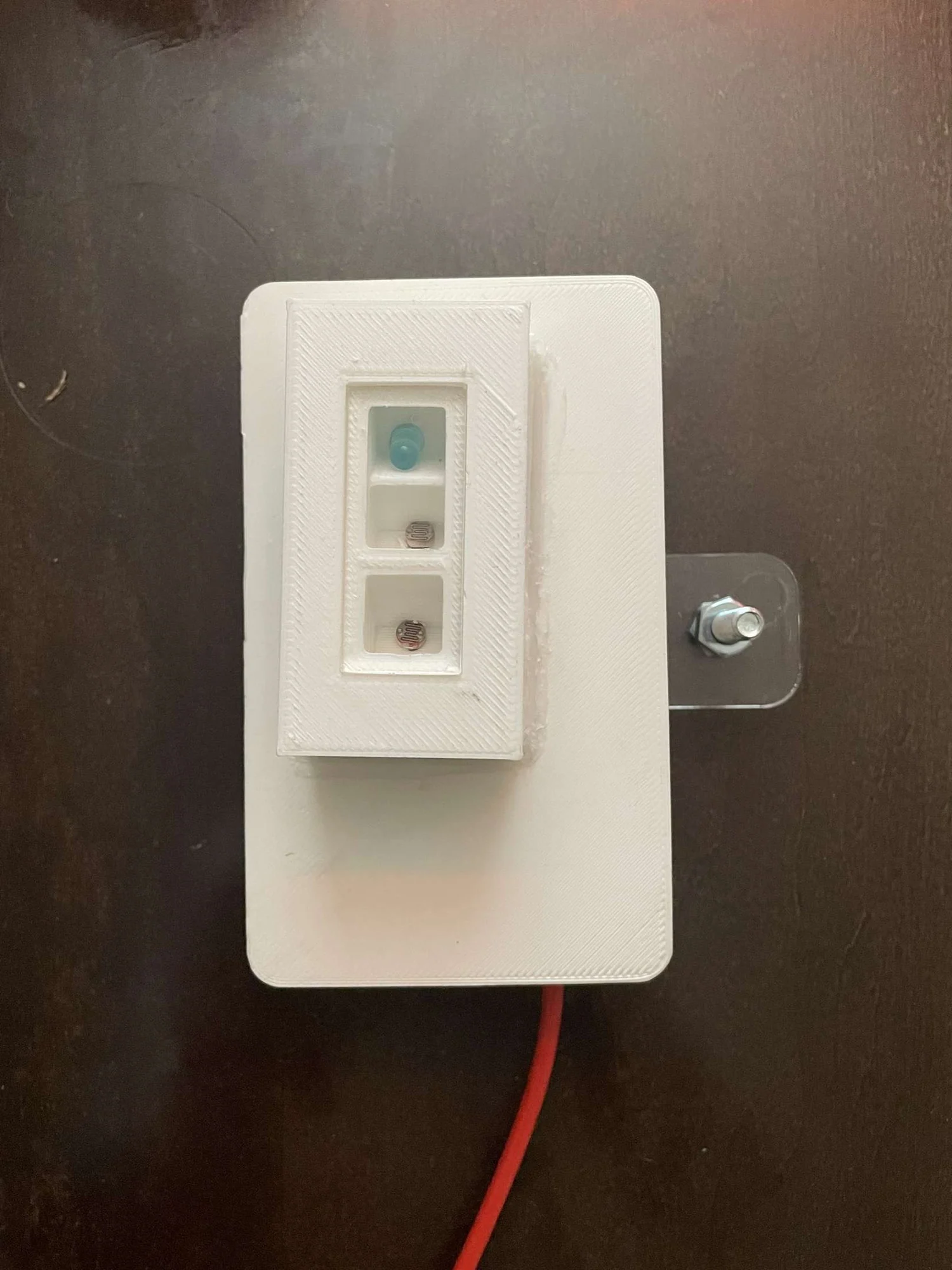
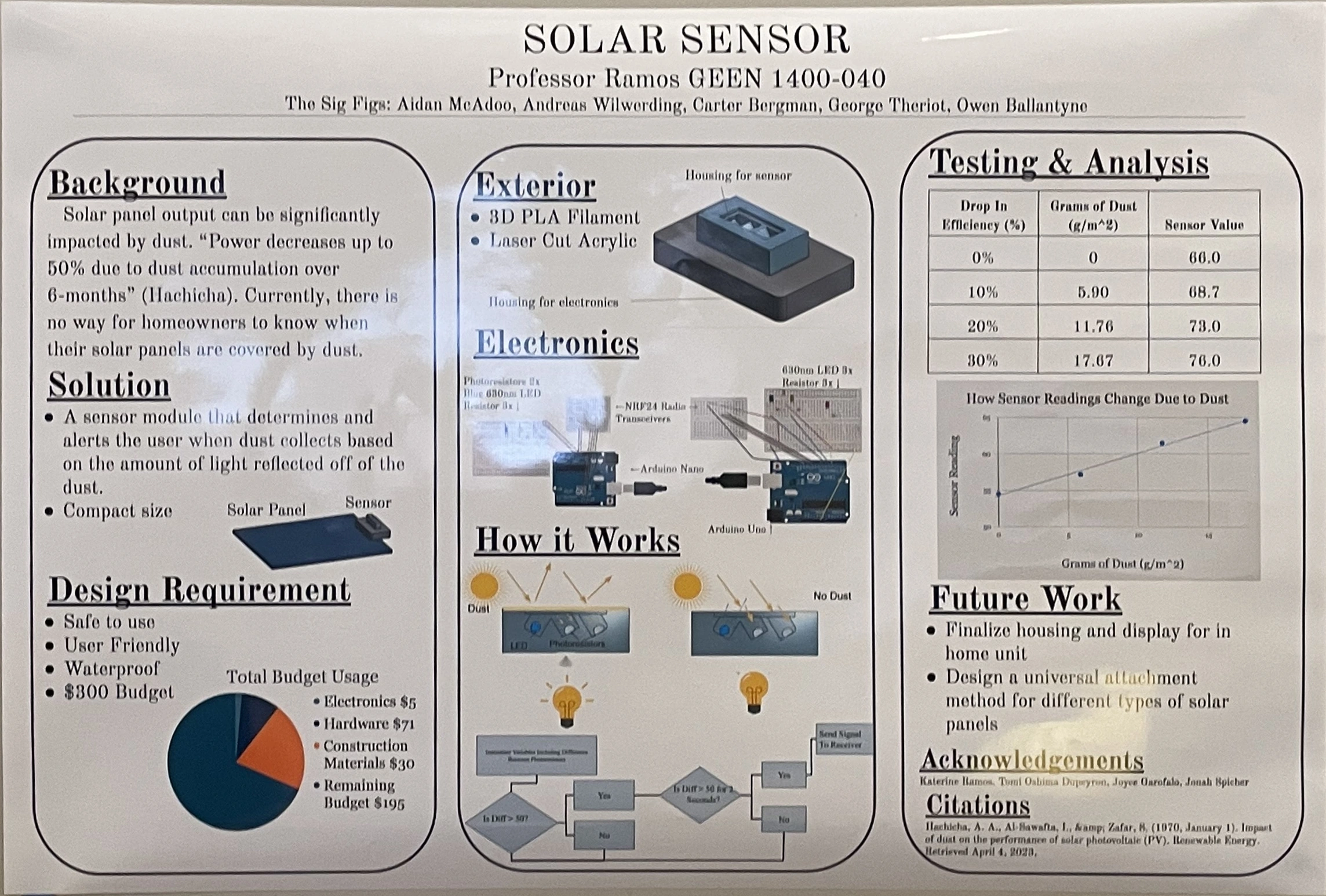
The prototype used a light source and a detector inside a low-profile enclosure. As dust accumulates on the sensing surface, it can reflect some of the emitted light back to the detector. We explored whether changes in that signal could help estimate when cleaning would be worthwhile. Our objective was to understand how dust affects light reaching a panel.
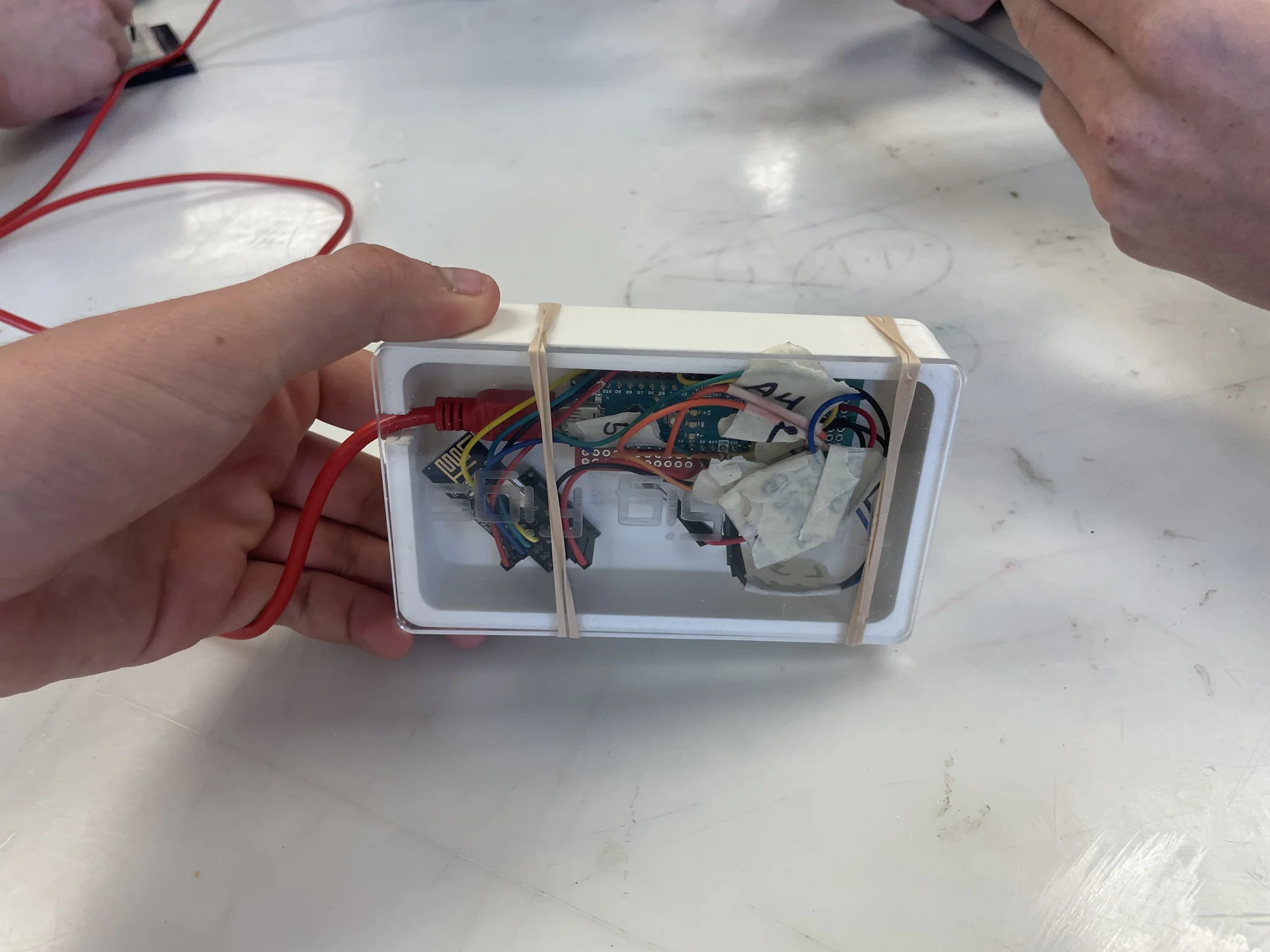
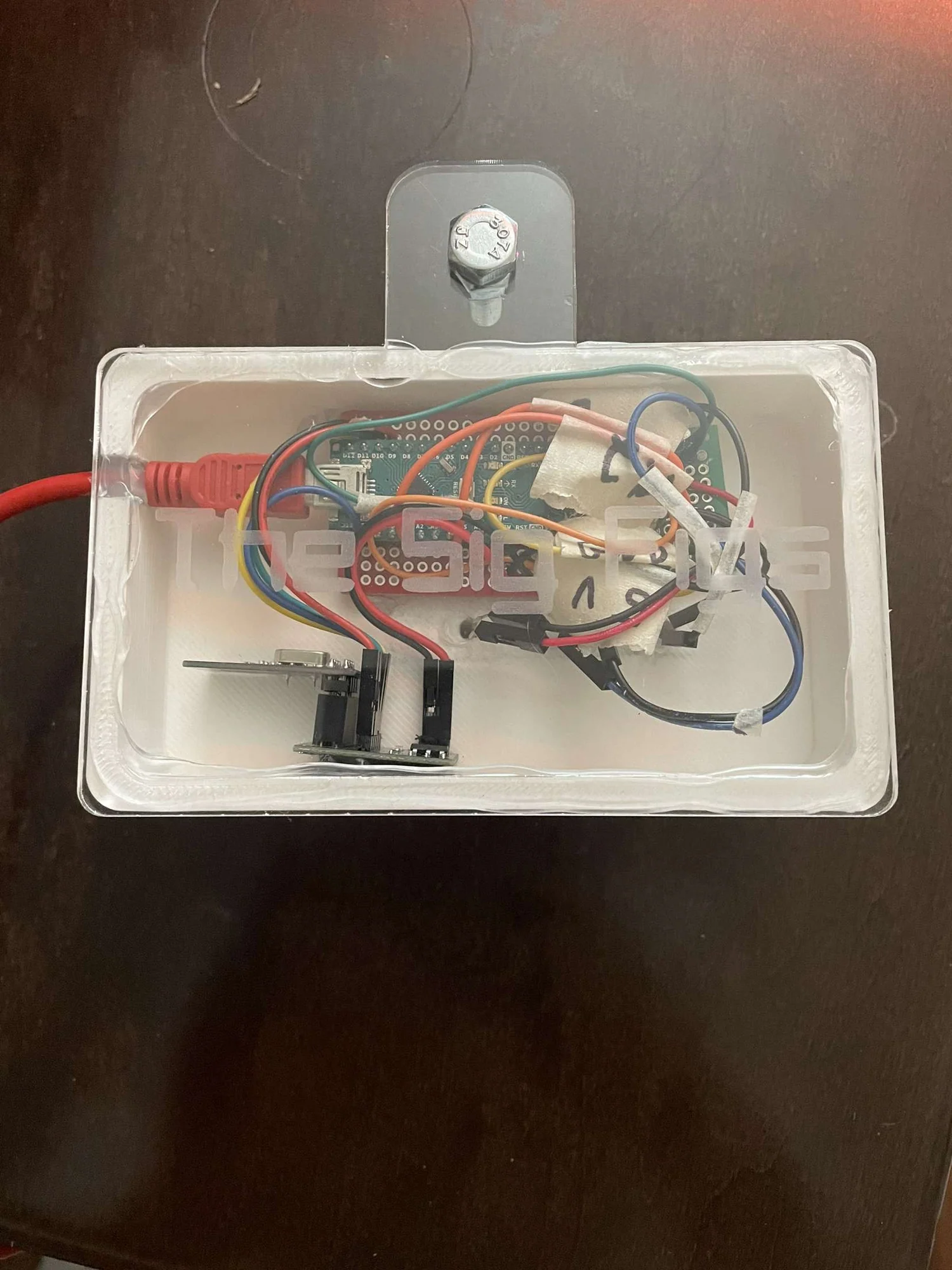
We developed the electronics on a breadboard, then packaged them with a 3D-printed PLA housing and laser-cut acrylic. The photographs show the progression from loose wiring to the assembled enclosure.
Presenting the work
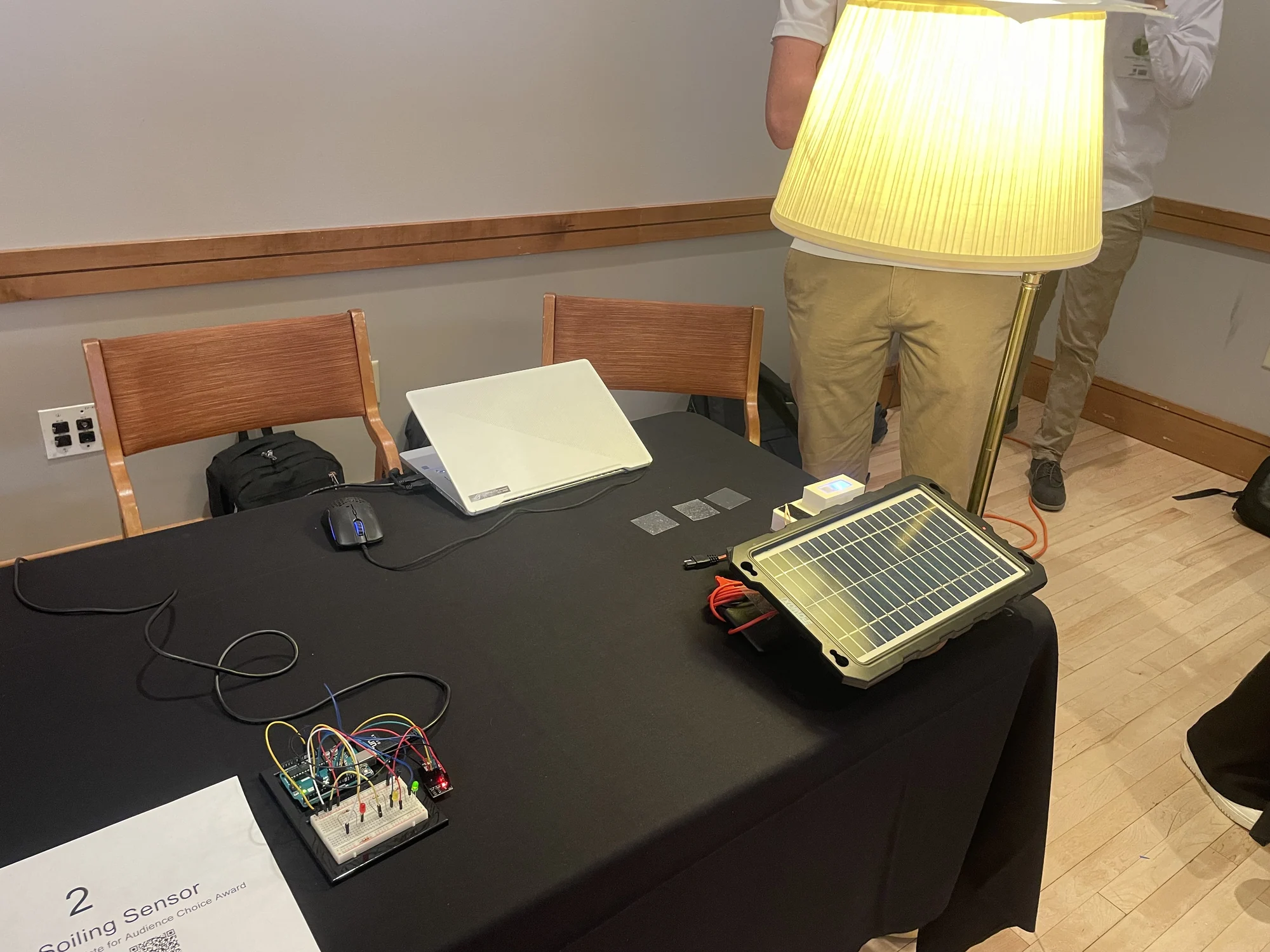
We presented the project to audiences at the CU Boulder Climate Action Expo and the ITLL Design Expo. At the demonstration table, we brought the sensor, a solar panel and a lamp together so visitors could see the proposed application. We used the poster to explain why dust accumulation matters and how a sensor reading might inform a cleaning decision. Presenting to different audiences taught me the importance of connecting technical details to a practical problem.
Recognition
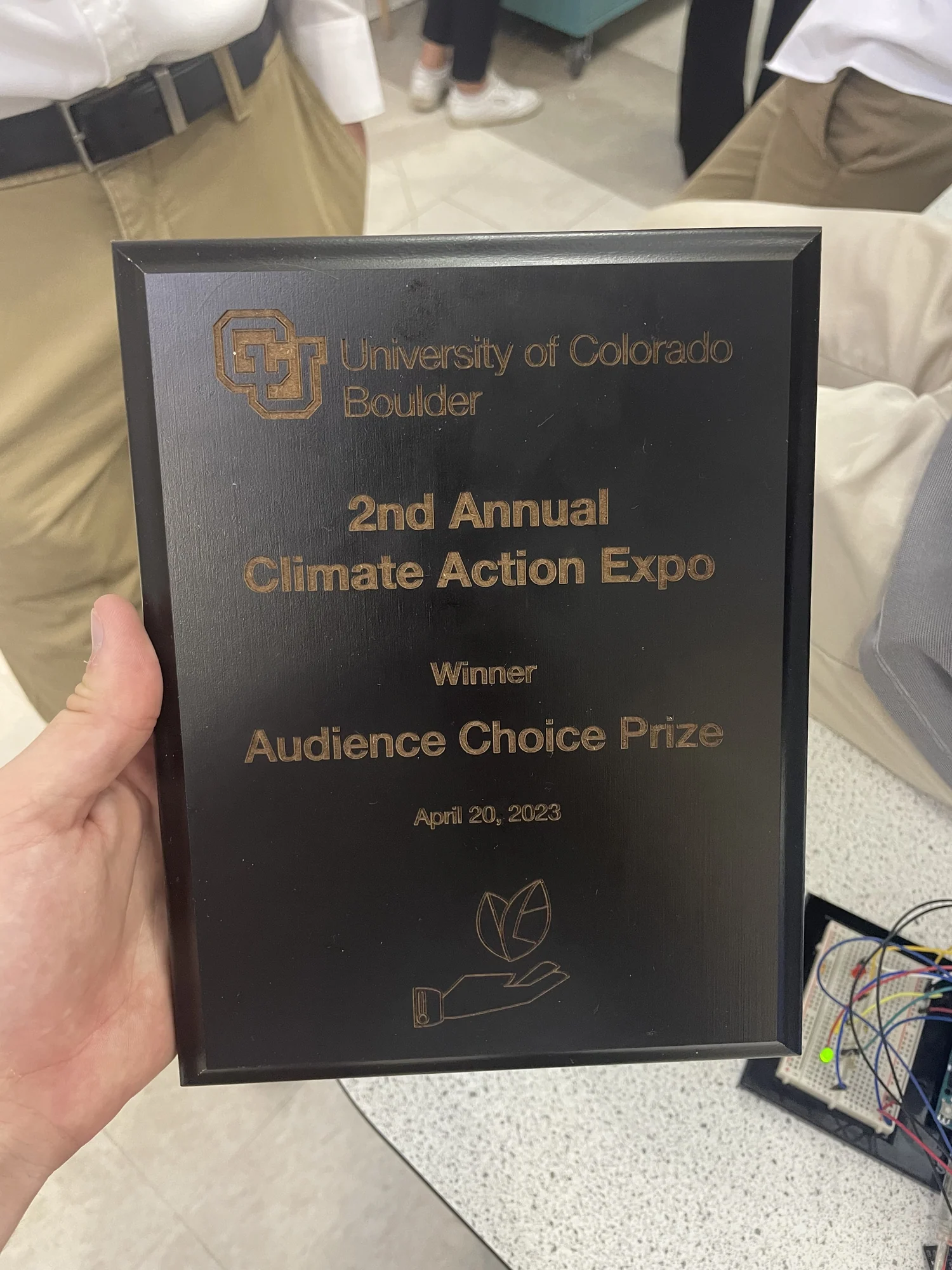
Our team won the Audience Choice Prize and a $3,000 team award at the 2nd Annual Climate Action Expo on April 20, 2023. At the ITLL Engineering Projects Design Expo, we received the Second Place People’s Choice Award.
What I learned
I learned Arduino programming, embedded electronics, 3D printing and prototyping through this project. Building and demonstrating the prototype helped me explain the sensing concept to audiences outside our class. Field calibration would require testing the signal against controlled dust accumulation and measured panel performance.