Completed · October 2024–July 2025
MAXWELL CubeSat
Electrical and mechanical integration, harness assembly, and hardware test support on a 6U university spacecraft.
- My role
- Student Spacecraft Assembly, Integration and Test Engineer
- Disciplines
- Aerospace · Electrical · Systems · Test
Project context and my role
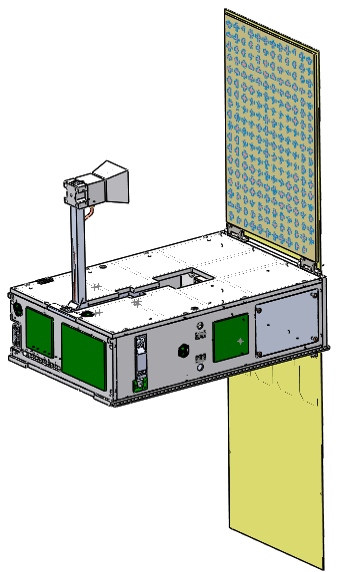
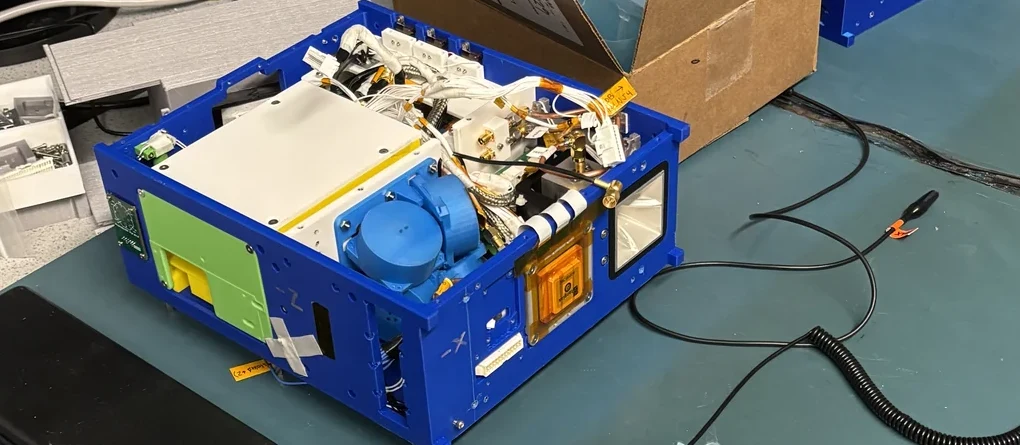
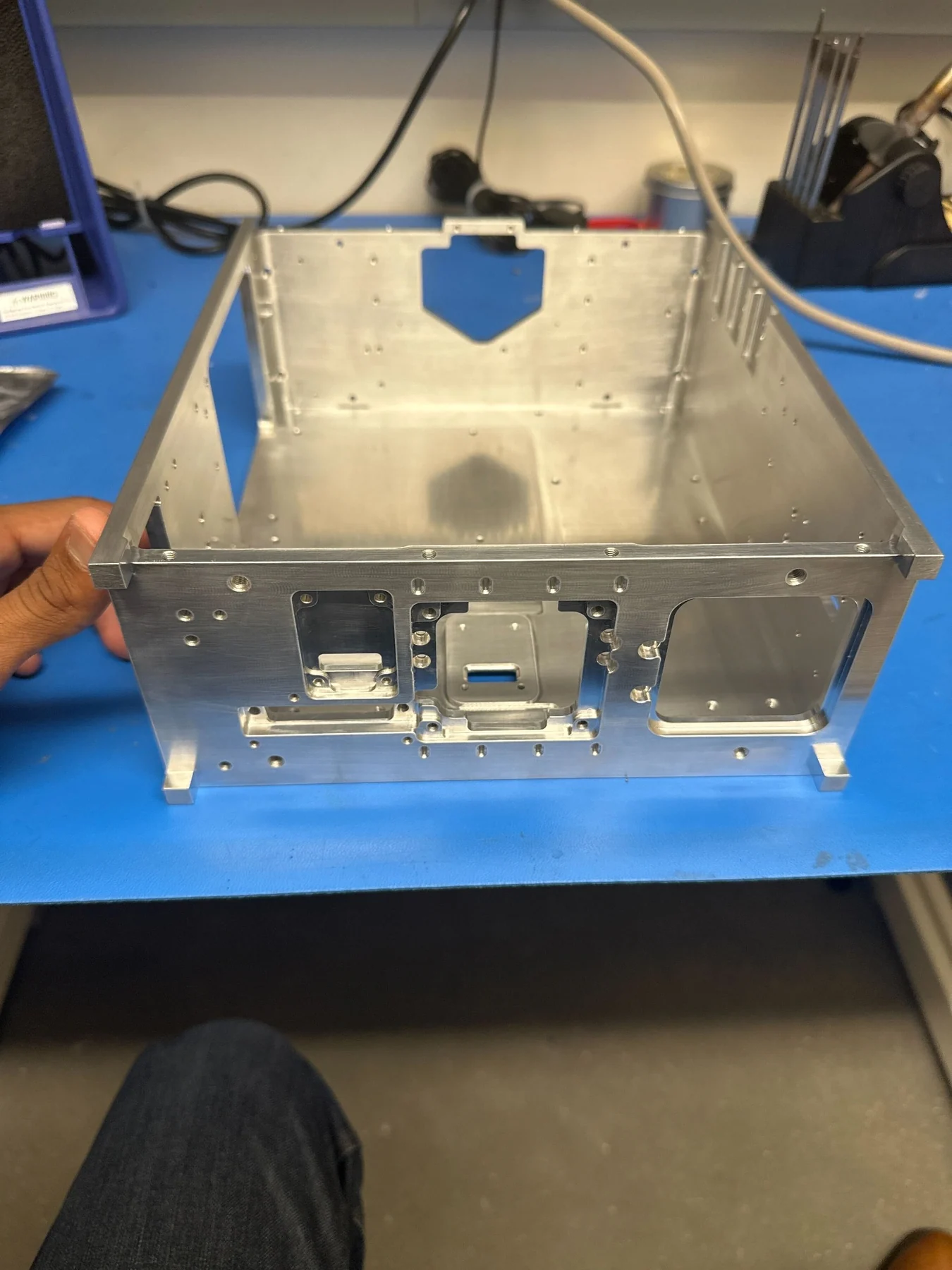
MAXWELL was a 6U CubeSat project at the University of Colorado Boulder in AFRL’s University Nanosat Program 9. I worked on MAXWELL from October 2024 through July 2025, helping assemble the 3D-printed satellite bus and supporting electrical and mechanical integration and hardware testing.
Harnesses and electrical integration
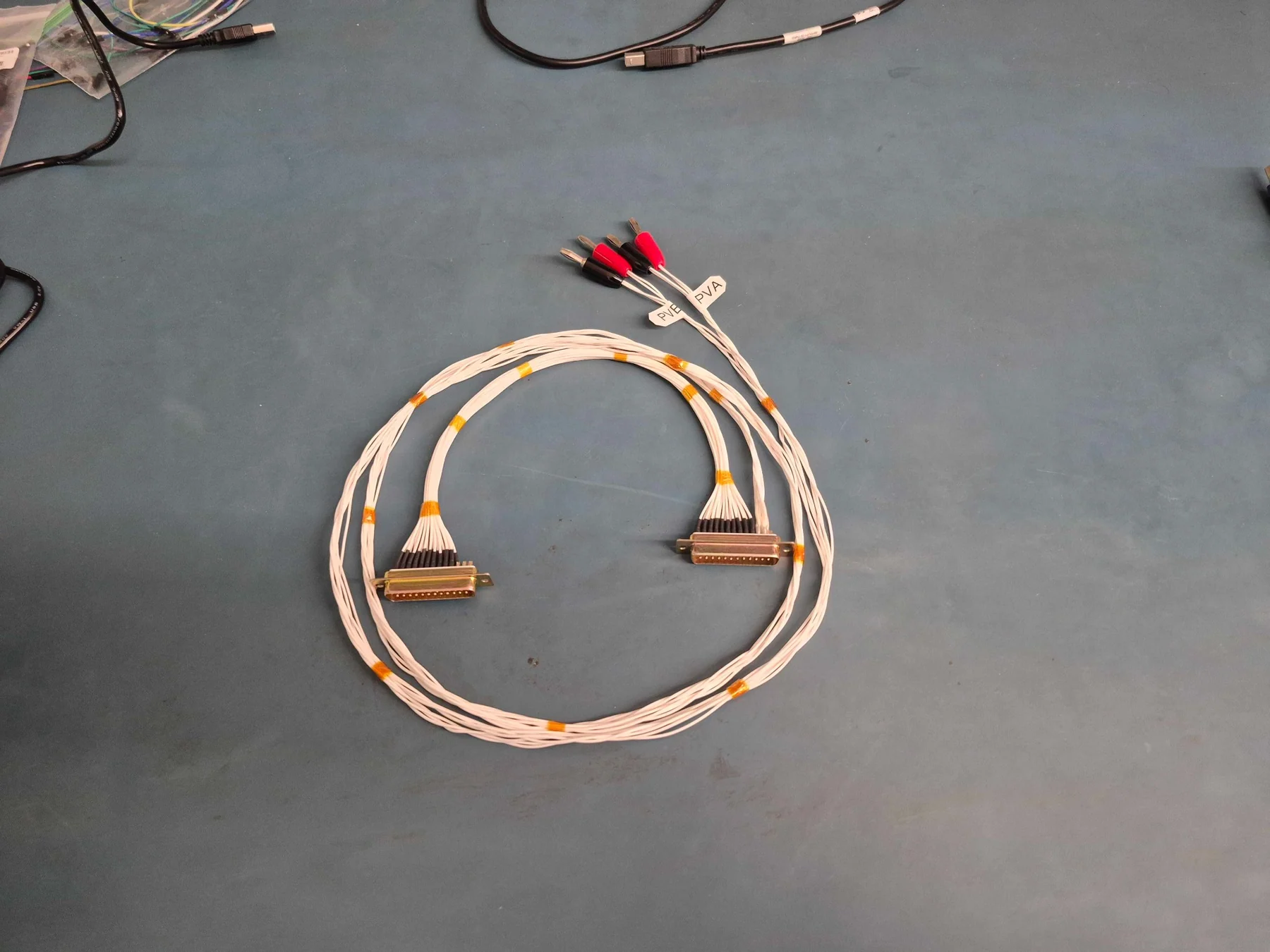
Much of my work involved assembling harnesses, crimping, wiring, and replacing wires when needed. I used schematics and connector documentation to check interfaces.
This was my first experience with electrostatic discharge and contamination-control practices in spacecraft integration. We used grounding wrist straps and grounded mats while handling the hardware.
Testing and troubleshooting
I supported test execution, documentation, and troubleshooting alongside my teammates. We used continuity checks to verify connections against the expected interface. Schematics, connector documentation, configuration records, and discrepancy notes gave us a shared reference. I also helped maintain integration records and inventory.
What This Experience Meant to Me
Working on MAXWELL gave me an appreciation for the enormous amount of coordination, precision, and technical knowledge required to bring a spacecraft together. I was fascinated by how seemingly small decisions in hardware design, assembly, and testing could affect a spacecraft’s performance in orbit.
I loved learning the laboratory procedures, working with spacecraft hardware and instrumentation, and collaborating with people who shared my excitement for the mission.
There is something incredibly rewarding about contributing to a piece of technology designed for space. That experience reinforced my interest in spacecraft engineering and the kind of work I want to continue doing throughout my career.